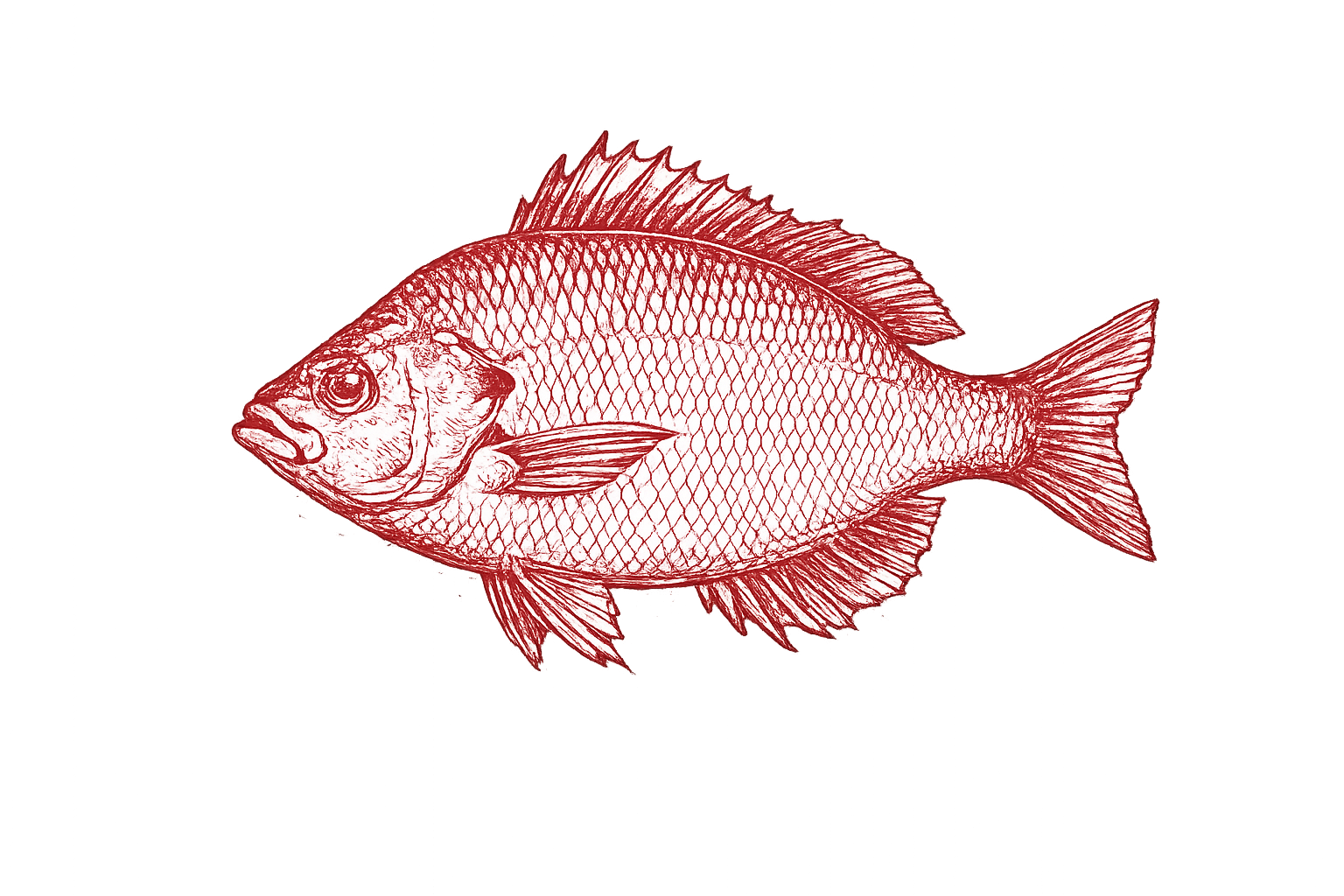
One of my earliest fishing memories is catching a bream with my grandfather. It was as simple as fishing gets: sitting on the bank with a bobber, sinker, hook, and worm, waiting for that bobber to disappear beneath the water.
As parents—especially fathers—we want our children to have those same unforgettable experiences. A child’s first fish can become a lifelong memory and the beginning of a passion for the outdoors. Here are a few tips to help make that first fishing trip a success.
1. Tackle and Gear
Choosing the right tackle is important. Most young kids are naturally drawn to the Spiderman, Paw Patrol, or Disney-themed rod-and-reel combos. Believe it or not, those setups work perfectly well for simple bream fishing.
For older children who have outgrown the cartoon gear, it’s hard to beat a Zebco 33 combo. It’s affordable, reliable, easy to use, and has introduced generations of anglers to fishing.
The great thing about bream fishing is that you don’t need much tackle. A few bobbers, some split-shot sinkers, and a pack of hooks will get the job done.
One of the biggest mistakes I see people make is using hooks that are far too large. Bream have relatively small mouths, and oversized hooks often result in missed fish and stolen bait. For most situations, a size #6, #8, or #10 hook is ideal.
Smaller hooks catch more fish and are often easier to remove if you’re planning to keep your catch.
2. Picking the Right Spot
A good fishing spot can make all the difference.
Fortunately, bream are fairly forgiving, but finding the right area can turn a slow day into an action-packed one. If possible, scout a location before taking the kids.
Spend about ten minutes fishing each area. If you get bites, stay put. If you don’t, move on and try another spot.
When looking for productive water, focus on:
- Docks
- Bridge pilings
- Riprap banks
- Fallen trees
- Stumps
- Rocky or hard-bottom areas
Remember, fish use these structures for protection and feeding opportunities. The downside is that the best fishing spots are often the same places where you’ll get snagged. That’s just part of fishing.
3. Keep Them Interested
The goal is to make fishing fun—not to force it.
A few years ago, I started taking my younger brother fishing. He was about ten years old at the time. Our favorite fishing spot happened to be near a playground, and before long he wanted to leave the water and head to the swings.
Instead of turning it into a battle, I told him, “Let’s fish for ten more minutes, then we’ll go play.”
After those ten minutes, we went to the playground and had a great time.
Kids don’t always have the attention span to fish for hours, and that’s okay. Let them explore, play, and enjoy the experience. The goal isn’t to create a hardcore angler in a single afternoon.
Today, my brother is thirteen years old, and he regularly asks me when we’re going fishing again.
That’s the real win.
If you make those early trips fun, the love of fishing will often take care of itself.
Leave a Reply