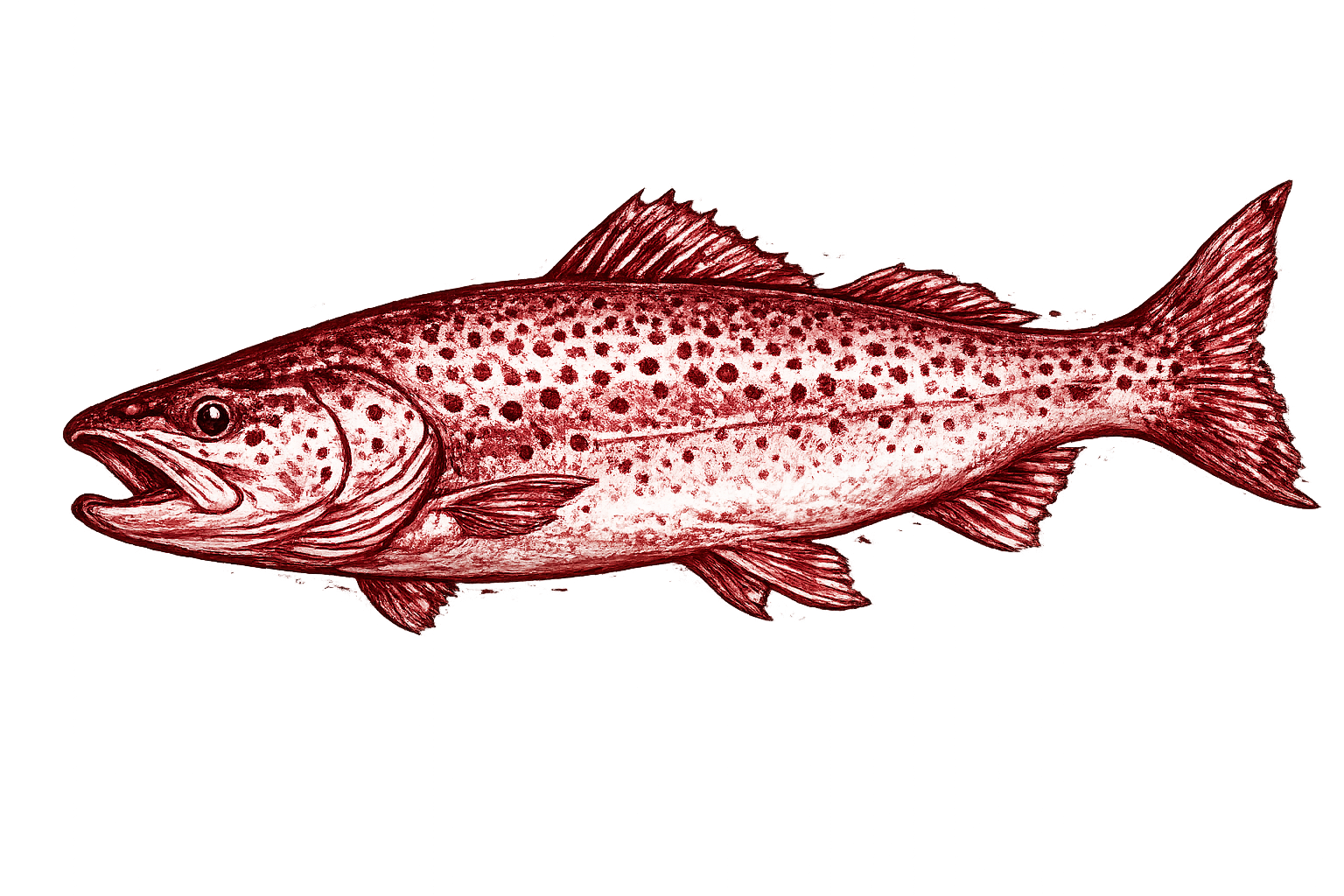
Pawleys Island is one of South Carolina’s most beautiful stretches of coastline, with quiet marshes, tidal creeks, and miles of sandy beach. But when summer heat arrives, many anglers discover that speckled trout can seem to disappear overnight. Fisherman who loaded coolers a few years ago often return to find the bite far slower than they remember.
The good news is that the trout haven’t left- they’ve simply changed their habits. By understanding tides, low-light feeding periods, and where cooler moving water concentrates baitfish, shore anglers can still catch quality speckled trout without ever stepping foot in a boat.
In this guide, I’ll show you where to fish around Pawleys Island, the best time to go, and the lures and techniques that consistently produce summer specks from the bank.
When should I Go?
When it comes to summer speckled trout at Pawley’s Island, timing is everything. During the heat of summer, trout feed most aggressively during the cooler parts of the day. That means your best opportunity is usually from first light until shortly after sunrise, and again during the last hour or two before dark.
If I had to pick one time to fish, I would be standing at the inlet before daylight with a topwater lure tied on. Trout often push bait against the current as the sun begins to rise, creating some exciting surface action.
Tide– can be just as important as time of day. In general, moving water is better than slack tide because it carries shrimp and baitfish to waiting trout. Many anglers prefer the last two hours of the outgoing tide and first hour of the incoming tide around Pawleys Island Inlet.
Don’t get too caught up chasing the “perfect” tide. A moving tide at daylight will usually out fish a perfect tide in the middle of a hot summer afternoon. Watch the tides, fish early, and pay attention to where bait is concentrated. If you find baitfish, there’s a good chance speckled trout won’t be far away.
What Bait/Tackle Should I Use?
For summer speckled trout at Pawleys Island, a topwater plug is one of the most effective baits you can throw-especially early in the morning. A classic “walk the dog” style lure like a Heddon Spook is perfect for working shallow water around the inlet and moving bait schools.
To use it correctly, cast past where you think fish are holding and let the ripples settle. Then begin a steady side to side twitch of your rod tip while slowly retrieving the slack line. The goal is to make the lure glide left and right across the surface, mimicking a wounded baitfish. Don’t rush it-most strikes happen when the lure pauses or changes direction.
If top water action slows down, switch to soft plastic paddle tail on a light jig head. Work it just off the bottom or through deeper cuts of moving water. A slow, steady retrieve with occasional twitches is usually all it takes to trigger bites, especially when trout are holding just off the current in slightly deeper pockets.
Where Should I Fish?
The best places to target summer speckled trout at Pawleys Island (from the bank) are around the inlets and areas with moving water. The North Inlet (also called Midway Inlet) is one of the top spots, as it regularly holds bait and feeding trout during the summer months. The South Inlet can also produce fish, although it is generally not as consistent as the North Inlet. The Inlets have changed a good bit the past few years.
Keep in mind that reaching either inlet usually requires a fairly long walk, especially at lower tides, so plan accordingly and travel light if possible.
Look for current seams, deeper cuts, and areas where baitfish are concentrated. Trout often position themselves just outside the strongest current, waiting for food to be swept past them.
Final Thoughts
Catching summer speckled trout at Pawleys Island really comes down to a few simple things: being on the water early, fishing moving tides, and putting your bait where the fish naturally feed.
You don’t need complicated gear or a perfect setup. If you show up at the first light, work the inlets with a topwater plug, and stay aware of bait movement and current, you’ll put yourself in a great position to find fish.
Some days will be better than others, but that’s part of inshore fishing. Pay attention to what the water is telling you, adjust as needed, and stay patient. When it all lines up, the bite can turn on fast.
Leave a Reply