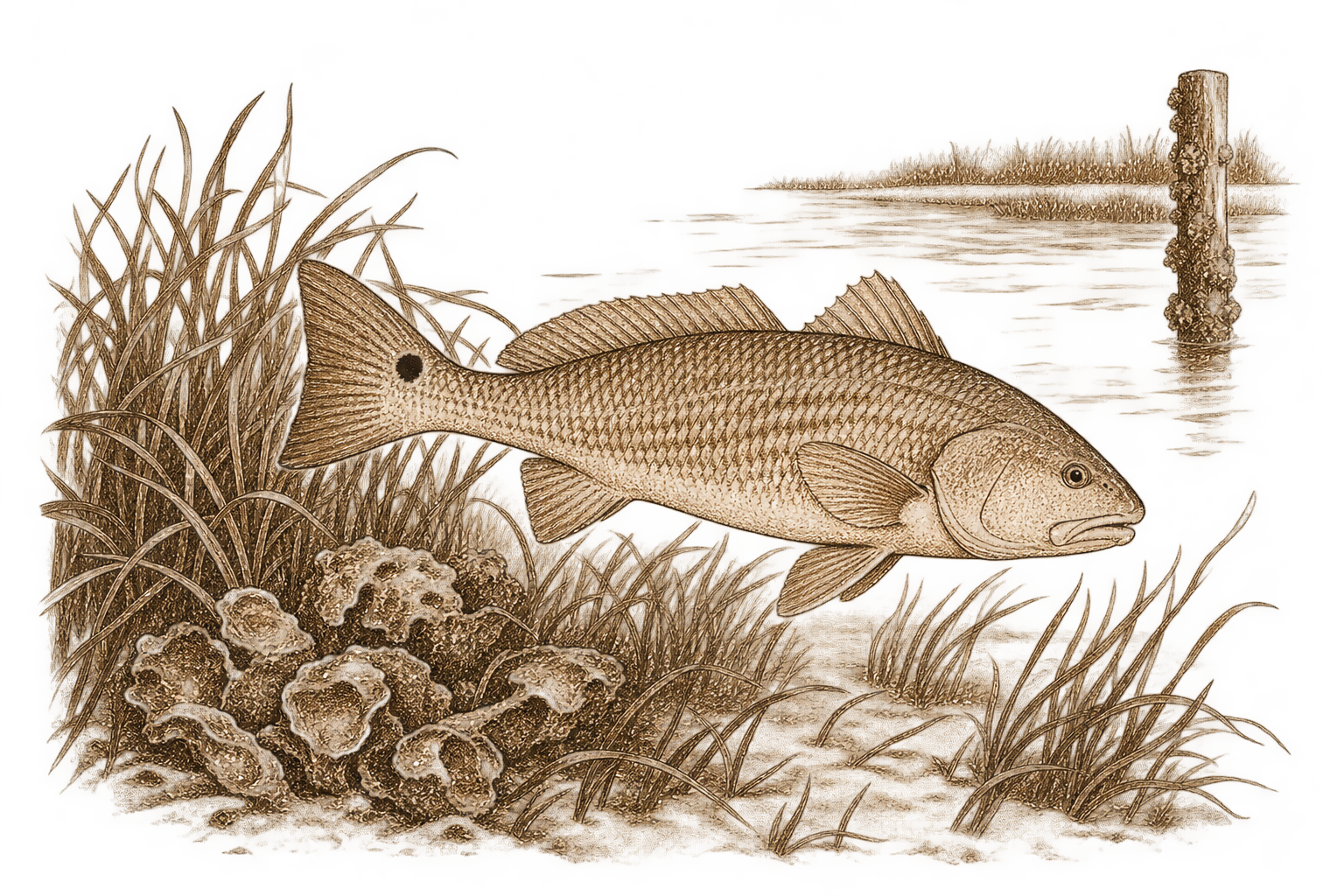
Inshore fishing doesn’t have to cost a fortune. Whether you’re fishing from a boat, kayak, dock, or the shoreline, you can put together a dependable rod and reel setup without spending hundreds of dollars on high-end equipment.
The trick is knowing what you’re actually looking for.
A rod that works well for speckled trout might not be the best choice for targeting larger redfish around heavy structure. Likewise, a reel that feels great when you’re fishing a calm tidal creek still needs to handle saltwater, repeated casting, and the occasional hard-fighting fish.
In this guide, we’ll look at inshore fishing rods and reels, how to choose the right size, what features matter, and some budget-friendly options from brands such as Penn, Daiwa, and Okuma.
You don’t need the most expensive setup on the shelf. You need equipment that matches the kind of fishing you plan to do.
What Makes a Good Inshore Fishing Rod and Reel?
Before buying anything, it’s worth understanding what makes an inshore setup different from a basic freshwater rod and reel.
Inshore fishing often means dealing with:
- Saltwater and corrosion.
- Moving tides and current.
- Fish that make powerful runs.
- Docks, oyster beds, grass, rocks, and other structure.
- Repeated casting throughout the day.
- Different species ranging from smaller trout to larger redfish.
Your equipment needs to be versatile enough for the situations you regularly fish. That doesn’t mean you need the toughest offshore reel or the most expensive rod. It means choosing a balanced setup that can handle your target fish and the environment.
For most anglers, a spinning rod and reel setup is a practical place to start. Spinning equipment is easy to cast, works with live bait and artificial lures, and is available in a wide range of prices and sizes.
What Is the Best Size Rod and Reel for Inshore Fishing?
One of the most common questions anglers ask is, “What size rod and reel should I use for inshore fishing?”
For a general-purpose setup, a 7-foot to 7-foot-6-inch medium-light or medium spinning rod paired with a 2500- or 3000-size reel is a useful starting point.
This isn’t a rule that applies to every fishing situation. The right size depends on the fish you’re targeting, the structure you’re fishing around, the size of your lures or bait, and how much casting distance you need.
Here is a general guide:
| Fishing Situation | Rod | Reel |
| Smaller trout and light lures | 6’6″–7’6″ medium-light | 1000–2500 |
| General Inshore Fishing | 7’–7’6″ medium or medium-light | 2500–3000 |
| Redfish and Mixed Inshore Species | 7’–7’6″ medium | 3000–4000 |
| Heavier Structure or Larger Fish | 7’–7’6″ medium-heavy | 4000–5000 |
These ranges are starting points rather than strict requirements. Reel sizing also varies between manufacturers, so a 3000-size reel from one brand may not have exactly the same capacity or physical size as a 3000-size reel from another.
Why a 7-Foot Rod Is a Good Starting Point
A 7-foot rod offers a useful balance between casting distance, lure control, and ease of handling.
A longer rod can help with casting distance and line control, particularly when fishing from shore. A shorter rod may be easier to manage in a crowded boat, around docks, or when casting in tight spaces.
For many anglers, a rod around 7 feet or slightly longer provides enough versatility without becoming difficult to handle.
Should You Choose Medium-Light or Medium Power?
Rod power describes how much force it takes to bend the rod.
A medium-light rod can be a good option for lighter lures, smaller baits, and species such as speckled trout. It can also make smaller fish more enjoyable to fight.
A medium rod offers more versatility for anglers who target a mixture of species. It provides a useful balance of sensitivity and strength for many common inshore techniques.
If you’re regularly fishing around heavy structure or targeting larger fish, you may prefer a medium-heavy setup. However, going heavier than necessary can make casting lighter lures less enjoyable.
What Should You Look for in an Inshore Fishing Rod?
Choosing the right inshore fishing rod is about more than simply picking the length printed on the label.
Pay attention to the rod’s power, action, lure rating, line rating, and construction.
Rod Power
Rod power generally ranges from ultralight to heavy.
- Light and medium-light: Useful for smaller lures and lighter presentations.
- Medium: A versatile choice for many inshore applications.
- Medium-heavy: Better suited to heavier presentations, stronger fish, or fishing around cover.
The best choice depends on your fishing style. If you mostly fish for speckled trout in open water, a lighter setup may be enjoyable. If you fish for redfish around docks and heavy structure, additional backbone can be helpful.
Rod Action
Action describes where the rod bends when pressure is applied.
A fast-action rod generally bends closer to the tip, while a moderate-action rod bends farther down the blank.
A fast-action rod can provide sensitivity and quick response when working lures or detecting bites. A moderate action may provide a more forgiving bend, depending on the presentation and hook setup.
There isn’t one action that is best for every inshore fishing technique. Look at the types of lures and bait you plan to use before making your choice.
Lure and Line Ratings
Always check the manufacturer’s recommended lure and line ratings.
These specifications help you choose equipment that is appropriate for the weight of your terminal tackle and the line you’re using. Avoid assuming that a rod can comfortably handle any lure simply because it is marketed for saltwater fishing.
What Are the Best Inshore Fishing Reels?
When shopping for the best inshore fishing reels, I would focus on four main factors:
- Corrosion resistance and saltwater suitability.
- A dependable drag system.
- Smooth line management.
- A comfortable size and weight.
You don’t need a reel with every premium feature. You need one that operates reliably and is maintained properly after fishing.
Spinning Reels Are a Practical Choice
Spinning reels are popular for inshore fishing because they are versatile and relatively straightforward to use. They work well for casting artificial lures, fishing live bait, and using a variety of common rigs.
They are also a practical choice for beginners who are still learning casting techniques.
When choosing a spinning reel, consider:
- Reel size.
- Line capacity.
- Drag adjustment.
- Weight.
- Handle comfort.
- Manufacturer’s intended use.
- Availability of replacement parts and service.
Do You Need a Dedicated Saltwater Reel?
A reel marketed for saltwater use can be a sensible choice for regular inshore anglers. However, no spinning reel should be treated as maintenance-free just because it is labeled “saltwater.”
Saltwater can damage fishing equipment over time, especially when it is allowed to dry on the reel or enter sensitive components.
After fishing, follow the reel manufacturer’s cleaning instructions. A gentle freshwater rinse, proper drying, and regular inspection can help reduce problems. Avoid using excessive water pressure, which can force salt and moisture farther into the reel.
Budget-Friendly Inshore Fishing Reels
There are several brands worth considering if you want an affordable inshore fishing reel without jumping straight into premium equipment.
Penn Inshore Fishing Reels
Penn offers a broad range of saltwater spinning reels, including the Pursuit, Wrath, Fierce, Battle, and Spinfisher families. Its current product lineup includes both entry-level and higher-priced options.
PENN Fishing®️ US
https://www.pennfishing.com/?srsltid=AU7gw4XstAHlMGmqvlrgdrFCGaZtTWJsb7IivRShcusC8SSUw9j10L0u
For anglers trying to keep costs down, it makes sense to compare the lower-priced Penn options first rather than assuming you need a premium reel.
What to consider:
- Look for a size that matches your rod and fishing conditions.
- Compare weight and line capacity.
- Check the reel’s intended use.
- Set aside part of your budget for line, leaders, and terminal tackle.
Penn can be a useful brand to investigate if you want a reel that is marketed specifically toward saltwater fishing.
Daiwa Inshore Fishing Reels
Daiwa offers a wide selection of spinning reels, from more affordable models to high-end saltwater equipment. Its lineup includes the BG family and other saltwater-oriented reels.
Daiwa US
The Daiwa BG series is one of the product families worth comparing when shopping for a general-purpose saltwater spinning reel. Make sure to compare the exact size and model, since features and pricing can differ.
What to consider:
- Whether the reel is appropriately sized for inshore fishing.
- How much line you need.
- The reel’s weight when paired with your rod.
- Whether the additional features justify the price for your fishing style.
You don’t have to buy one of Daiwa’s most expensive saltwater reels to build a useful inshore setup.
Okuma Inshore Fishing Reels
Okuma offers spinning reels designed for a variety of fishing situations, including inshore saltwater applications. Its lineup includes models such as the Inspira ISX, Salina, and other saltwater-oriented reels.
Okuma Fishing
https://okumafishingusa.com/?srsltid=AU7gw4VI-np8xmzBZDPkA6odynL8FhOkyLw5x9M7ZYz2V_BaoqghNpEb
Okuma is another brand worth checking when comparing budget-conscious and midrange equipment.
When looking at an Okuma reel, focus on the same basics as you would with any other manufacturer: appropriate size, drag performance, line capacity, weight, and maintenance requirements.
The brand name matters less than choosing the right model for the way you fish.
What Is the Best Rod and Reel for Inshore Saltwater Fishing?
If I were putting together a practical inshore saltwater setup for someone who wants to keep the budget reasonable, I would start with something like this:
A Versatile Beginner-to-Intermediate Setup
- Rod: 7-foot to 7-foot-6-inch medium spinning rod.
- Reel: 2500- to 3000-size spinning reel.
- Main line: Braided line appropriate for your target species and fishing conditions.
- Leader: Fluorocarbon or another suitable leader material.
- Use: Speckled trout, smaller redfish, flounder, and general inshore fishing.
This type of setup can be useful for anglers who fish a mixture of artificial lures and natural bait.
If you fish around heavy docks, bridge pilings, or thick structure, you may want to step up in power and reel size. If you primarily fish light lures for trout in open water, a lighter setup may be more comfortable.
The important thing is to match the equipment to your actual fishing conditions instead of buying the biggest rod and reel you can afford.
What Is the Best Inshore Fishing Rod and Reel Combo?
A rod and reel combo can be a good choice if you want to get on the water without spending time matching individual components.
With a combo, the rod and reel are selected to work together, which makes the buying process easier. You will still need to check the rod length, power, reel size, and intended use before purchasing.
Advantages of a Combo
- Usually simpler for beginners.
- Rod and reel are already matched.
- Can be less expensive than buying separately.
- Convenient for anglers who want a ready-to-use setup.
- Often a practical choice for an extra rod or backup setup.
Disadvantages of a Combo
- You may have fewer choices regarding rod action and reel size.
- The reel may not be the exact one you would have selected separately.
- Some anglers eventually prefer upgrading the rod or reel individually.
- The included line, if any, may not be ideal for your fishing situation.
A combo isn’t automatically better or worse than buying a rod and reel separately. It depends on your budget and how particular you are about the components.
Penn Inshore Combos
Penn offers inshore fishing products that include spinning combos, as well as separate rods and reels. Its current inshore lineup includes options such as the Wrath II Spinning Combo.
PENN Fishing
A Penn combo may be worth considering if you want a straightforward setup from a brand with a substantial saltwater fishing product lineup. Check the specific combo’s specifications before buying rather than choosing based only on the brand name.
When Should You Buy a Separate Rod and Reel?
Buying components separately may make more sense if:
- You already have a reel and only need a rod.
- You have a particular rod action in mind.
- You want to balance the weight of the reel with the rod.
- You fish different techniques and need more specialized equipment.
- You plan to upgrade one component later.
For someone purchasing their first setup, though, a well-matched combo can be perfectly reasonable.
How Much Should You Spend on Inshore Fishing Rods and Reels?
You don’t need to spend several hundred dollars to get started with inshore fishing.
Your budget should depend on how often you fish, how hard you use your equipment, and the conditions you encounter.
Here is a general way to think about your budget:
| Budget | What to Expect |
| Low Budget | Basic rod and reel or entry-level combo |
| Moderate Budget | More choices in rod sensitivity, reel operation, and durability |
| Higher budget | Lighter materials, additional features, and potentially more refined performance |
These are general categories, not fixed price brackets. Retail prices and availability change, and the cost of a setup will vary depending on the rod, reel, line, and other tackle you purchase.
My Advice for Saving Money
I would rather see someone purchase a dependable, appropriately sized setup and maintain it properly than spend extra money on equipment that doesn’t match their needs.
You can save money by:
- Comparing complete combos with separate components.
- Looking at previous-season models.
- Comparing multiple brands.
- Avoiding features you don’t need.
- Spending enough on line and terminal tackle to avoid creating unnecessary weak points.
- Buying equipment that you can comfortably use for several hours.
A more expensive reel is not going to make up for poor knots, incorrect drag settings, or fishing in the wrong location.
How to Match Your Rod and Reel to the Fish You Target
The best rod and reel for inshore fishing depends heavily on the species you’re pursuing.
Speckled Trout
For speckled trout, many anglers prefer a lighter, sensitive spinning setup that makes casting smaller lures and detecting subtle bites easier.
A medium-light or medium rod may work well, depending on lure weight, water conditions, and the size of the fish you encounter.
If you fish open water with lighter presentations, you may not need the heavier equipment used for fishing around thick structure.
Redfish
Redfish can range from relatively manageable fish to powerful opponents, particularly around structure or strong current.
A medium spinning rod paired with a 2500-, 3000-, or 4000-size reel may be appropriate for many situations, but your choice should be based on the fish size and environment.
If you’re fishing around docks, rocks, or other areas where you need to control a fish quickly, additional rod power may be helpful.
Flounder
Flounder fishing can involve fishing near the bottom with bait or artificial lures. Your rod choice should allow you to detect bites and work the presentation effectively.
A versatile medium-light or medium setup can be useful, but the best choice will depend on the rig, lure weight, current, and local species.
Sheepshead
Sheepshead fishing often involves fishing around hard structure, such as docks, bridge pilings, rocks, and oyster areas.
Because of the structure and the fish’s feeding habits, anglers may benefit from a setup with enough strength to manage the fish and move it away from hazards.
Your rod and reel are only part of the equation. Leader strength, hook selection, drag settings, and how you position yourself around the structure also matter.
What Fishing Line Should You Use With an Inshore Rod and Reel?
The line you choose can change how your setup performs.
Many inshore anglers use braided main line with a fluorocarbon or other leader material. Others prefer monofilament, particularly when fishing certain bait rigs or when they want a more forgiving line.
Braided Line
Braided line offers a high strength-to-diameter ratio and can be useful when casting lures or fishing deeper water.
Potential advantages include:
- Good sensitivity.
- Relatively small diameter for its strength.
- Useful casting performance.
- Less stretch than monofilament.
However, braid can be more visible in some situations, and it requires attention to knots and leader connections.
Monofilament
Monofilament can be a practical and affordable choice for many inshore applications.
Potential advantages include:
- Lower cost.
- Some stretch.
- Straightforward handling.
- Simple use for a variety of rigs.
The best line is the one that suits your technique, target fish, and conditions.
Don’t Forget the Leader
A leader can help when fishing around abrasive structure or targeting fish with particular feeding habits.
The appropriate leader material and strength depend on the species, water clarity, structure, and presentation. There is no single leader size that is correct for every inshore fishing situation.
Inshore Fishing Rod and Reel Maintenance
Saltwater fishing equipment needs regular care.
Even an affordable rod and reel can last longer when you take the time to maintain it properly. Likewise, an expensive reel can develop problems if it is repeatedly exposed to salt and neglected.
Rinse Your Equipment Carefully
After fishing, follow the manufacturer’s instructions for cleaning your rod and reel.
A gentle freshwater rinse can help remove salt and debris, but avoid using excessive water pressure. High-pressure water can push salt and moisture into areas you don’t want it.
Dry Your Equipment
Allow your equipment to dry properly before storing it.
Avoid leaving a wet reel inside a tackle bag or closed container for long periods. Pay attention to the reel handle, spool, guides, and other areas where moisture can remain.
Check Your Guides and Line
Inspect your rod guides for damage or rough edges. Damaged guides can affect your line and may contribute to breakage.
Also check your line regularly for abrasions, especially if you fish around oyster beds, pilings, rocks, or other structure.
Don’t Ignore the Drag
The drag should operate consistently, and it should be adjusted according to your line, tackle, and target fish.
Avoid treating maximum drag pressure as the goal. A properly adjusted drag can help protect your line and reduce the risk of pulling hooks or breaking off fish.
Common Mistakes When Buying Inshore Fishing Rods and Reels
Buying Equipment That Is Too Heavy
A heavy setup may be useful in certain situations, but it can become tiring if you’re casting all day.
If you primarily fish for smaller inshore species, consider whether you really need a heavy rod and large reel.
Buying a Reel Without Matching It to the Rod
A reel that is too large or too heavy can make a rod feel unbalanced.
Try to consider the rod and reel as one complete setup. The goal is comfortable handling, not simply choosing the biggest reel available.
Focusing Only on Maximum Drag
Maximum drag ratings don’t tell you everything about a reel’s usefulness.
Consider the entire package, including line capacity, weight, operation, maintenance, and whether the reel fits the fishing conditions you encounter.
Ignoring Saltwater Maintenance
Saltwater can be hard on fishing equipment. Even a reel marketed for saltwater fishing should be cleaned and maintained according to its manufacturer’s instructions.
Spending Too Much on Your First Setup
It’s easy to get caught up in expensive gear. But if you’re still learning where to fish, what species you enjoy targeting, and which techniques you prefer, a reasonably priced setup may be the better starting point.
You can always upgrade after you learn what you actually need.
Frequently Asked Questions About Inshore Fishing Rods and Reels
What is the best rod and reel for inshore fishing?
For a versatile starting point, consider a 7-foot to 7-foot-6-inch spinning rod paired with a 2500- to 3000-size reel. Choose the rod power based on the species, lure weight, structure, and fishing conditions.
The best setup for you may be different if you primarily fish for large redfish around structure or use very light lures for trout.
What size reel is best for inshore fishing?
A 2500- or 3000-size spinning reel can be a useful starting point for general inshore fishing. A 4000-size reel may be more appropriate in some situations involving larger fish, heavier line, or additional line capacity.
Reel sizing differs between manufacturers, so compare the specifications of the exact model you’re considering.
Are spinning reels good for inshore saltwater fishing?
Yes. Spinning reels are versatile and commonly used for inshore saltwater fishing. They work with a variety of lures, live bait, and rigs.
Choose a reel appropriate for saltwater use and maintain it properly after fishing.
Is Penn, Daiwa, or Okuma better for inshore fishing?
All three brands offer fishing equipment across different price ranges and applications. The right choice depends on the particular model, your budget, the fish you target, and the conditions where you fish.
Instead of choosing solely by brand, compare the exact rod or reel specifications.
Is a rod and reel combo worth buying?
A combo can be a good choice for anglers who want convenience, a matched setup, or a straightforward way to get started.
Buying separately may give you more control over rod power, action, reel size, and overall balance.
How much should I spend on an inshore rod and reel?
There is no single amount that every angler needs to spend. A reasonable starting budget should leave room for fishing line, leaders, hooks, weights, and other necessary tackle.
Focus on choosing dependable equipment that fits your fishing style rather than spending as much as possible.
Final Thoughts
Choosing the best inshore fishing rods and reels doesn’t have to be complicated.
For many anglers, a versatile spinning setup around 7 feet long with a 2500- to 3000-size reel is a practical place to start. From there, you can adjust your equipment depending on the fish you target, the structure you fish around, and whether you prefer live bait or artificial lures.
Brands such as Penn, Daiwa, and Okuma offer a variety of options worth comparing. You don’t have to jump straight into expensive equipment to enjoy inshore fishing.
Start with a rod and reel that fit your budget, maintain your gear after each saltwater trip, and pay attention to how your setup performs on the water. As you gain experience, you’ll have a better idea of which features are worth paying for and which ones you can live without.
The best rod and reel is ultimately the one that helps you fish comfortably, handle the conditions, and spend more time enjoying the water.
Leave a Reply